Sale
[ESX/QB] Parabol Bank V2
$9.00 $5.00
Scripts, job packs, MLOs, car packs and ready-made framework servers for QBCore, ESX and Qbox, sold one at a time with no subscription and no account to create.
533 resources in all, 127 of them free. 485 cost less than $30 and the median paid price is $15, so most of the catalogue is a single-purpose utility rather than a full system. 464 come with a preview video, and every card names the frameworks its creator supports, so compatibility is visible before you click through.
Everything this store sells is on this page: scripts, job packs, MLOs, car packs and complete framework servers, from dozens of creators behind a single checkout. A good share of it costs nothing. What follows is the part a grid of thumbnails cannot tell you, which is how to read a listing and work out whether it fits the server you already have, before you pay for it.
Most of what goes wrong with a bought resource has very little to do with the code. It is a mismatch between what the creator built against and what you are running, and it arrives as a resource that refuses to start, throwing an error that names something you have never installed. Two things decide it, and a third decides what you can do with the resource once it is running. All three are on the product page if you know where to look.
The catalogue divides several ways before it divides by creator. Job scripts are the largest group by a distance, covering police, ambulance, mechanic, delivery, mining, taxi and the player-owned businesses that give a city something to do all day. MLOs are map interiors rather than code, which is why most of them name no framework at all. Car packs run from a single debadged vehicle to a lore friendly fleet. Ready-made servers are complete builds with the resources already wired together. The free shelf collects everything that costs nothing. Everything else is a standalone script, and the category index lists every collection, creators included.
Most resources here name QBCore and Qbox together, and a large majority name ESX as well, because creators ship one download with adapters for several frameworks. QBCore and Qbox travel together almost everywhere in this catalogue. ESX is the one that goes its own way, which is why the shelf worth checking first is ESX scripts if that is what you run, and QBCore or Qbox if it is not.
The ones that pick a side matter more than the ones that do not. A meaningful minority name QBCore and never mention ESX, and a smaller group goes the other way. If you are on ESX and a listing only ever says QB, believe it.
Read the badges on the card rather than the product title. Creators write titles to be found, so a name reading QB/ESX is marketing copy, while the badges come from the compatibility list the creator filled in. Where the two disagree, the badge is the one that was entered as data.
This is the failure nobody warns you about, and it is the most common one by a distance.
Say you buy a house robbery script. It was written against ox_inventory. Your server runs qb-inventory. The script starts, the door works, the animation plays, and then the loot goes nowhere, because the function it calls to hand you an item does not exist on your server. Nothing in that sequence looks like an incompatibility. It looks like a broken script.
Inventories are where this bites hardest, and the catalogue is split between ox_inventory, qb-inventory and qs-inventory with no clear winner. Targeting splits the same way between qb-target, ox_target and qtarget. Then there is ox_lib, which turns up in more descriptions than any other dependency and is a shared library rather than a choice, and oxmysql against the older mysql-async.
None of that is a quality signal. It is a compatibility signal, and it is the single most useful line on a product page. Descriptions here are substantial rather than a sentence, so the information is nearly always there. Read it before you buy, not after the console starts scrolling red. If a name in that list means nothing to you, ox_lib explained is the one worth reading first.
Some resources here ship as open source. Others are escrowed or otherwise protected, and a few are obfuscated.
Escrow is Cfx.re's asset protection. The resource runs, and the parts the creator locked cannot be read or edited. That is a fair trade for a lot of buyers and a dealbreaker for anyone who wants to rewrite a notification, swap a UI, or wire a script into something custom. If you intend to edit, filter for open source at the description level and take the creator at their word, because you cannot undo that decision after checkout. Escrow versus open source covers what each one actually permits.
Most of this catalogue costs less than $30. Paid resources start at $5, and the middle of the shelf is a single-purpose utility: a HUD, a chat theme, a radio, a billing script, a job.
Above $30 the count thins fast, and above $60 it thins to almost nothing. That upper band is a different category of product altogether: complete QBCore framework builds around $110 with hundreds of resources already wired together, and a lore friendly car pack at $250. A sale price turns up across the catalogue at any given time.
A good share of the creators here give something away and sell something else, which makes the free shelf more useful than its price suggests.
A creator's free release is written by the same person, in the same style, with the same habits about dependencies, configuration and documentation as their paid work. Download one, read the config, see whether the code is laid out in a way you would be willing to maintain. That answers more about a paid purchase than any screenshot will.
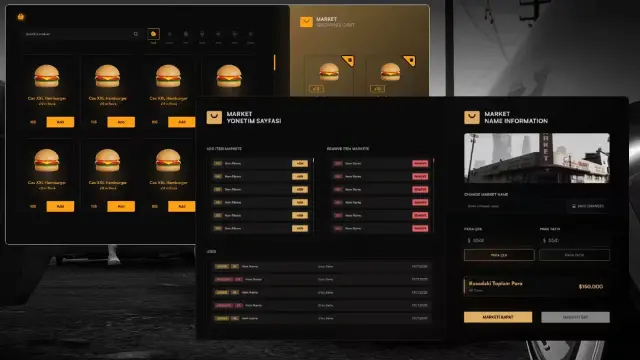
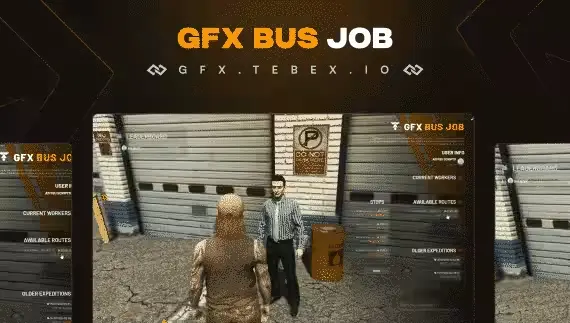
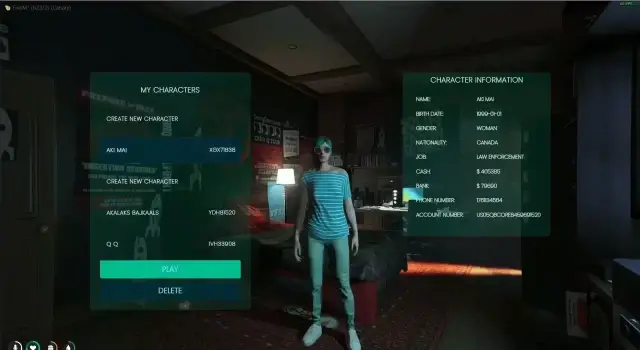
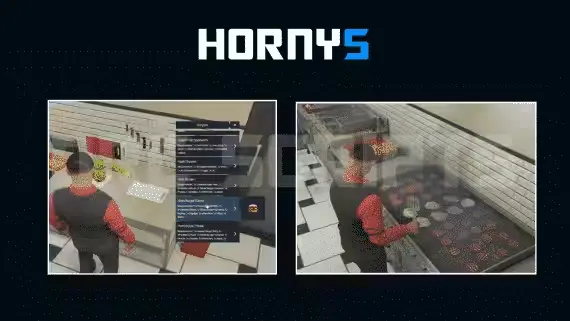
Most of the catalogue carries a preview video, so you can watch a resource running before you decide.
Download links go to the email address you enter at checkout, as soon as payment clears. There is no account to create and nobody to wait for. Support runs on the same address.
Sales are final once a link has been issued, which is standard for a digital download and is set out in full in the refund policy, along with the cases we do review: a double charge, a link that never arrived, or a resource that is provably broken on a framework version it claims to support. Which is the argument for spending two minutes on the preview and the compatibility list first.