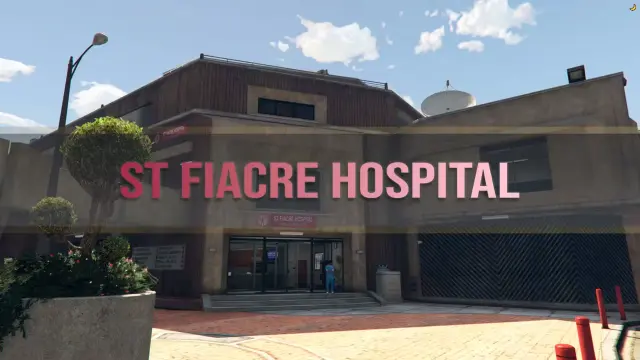
St. Fiacre Hospital
$10.00
Custom interiors for roleplay servers: sheriff stations and police departments, a hospital, city halls, car dealerships and showrooms, gang houses, ghetto cribs, a mafia mansion and a fight club with a betting script wired into it. Several of the interiors on this shelf are free, including a medical centre, a city hall and an auto showroom.
An MLO is a building rather than a script, so you judge it on different things. There is no framework to match and usually no config to edit. What decides it is the weight your players download on first join, whether the mapper shipped LODs and audio occlusion, and whether anything already on your server claims the same coordinates.
Most listings carry a walkthrough video, which tells you more about a floor plan than any feature list will.
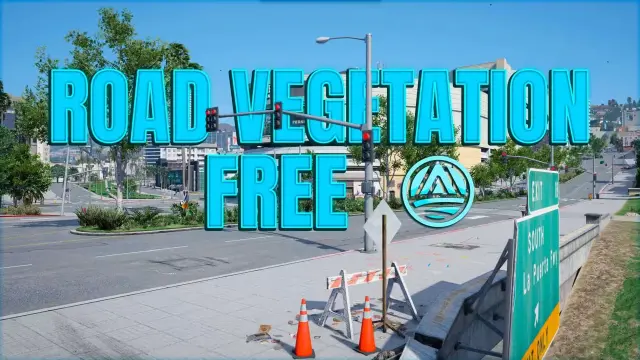
An MLO is an interior built as a proper model, with rooms, portals, doors and its own collision, dropped into a building that vanilla GTA leaves locked. A YMAP is placement data instead of a building: props, vegetation, barriers and exterior dressing sitting at coordinates the listing usually prints in full. A shell is neither of those, a standalone interior box with no exterior at all, meant to be teleported into by a housing script and worth nothing on its own until a property system points at it. All three are on this shelf. The roadside vegetation set is a ymap. The free apartment shell says so itself: not an MLO. The Breze gang spots say in their own descriptions that they are modelled interiors rather than ymap builds.
Getting that wrong is the most common way a map purchase disappoints. Buy a shell expecting a mapped building and you get a room floating in the void that only means something once a property script points at it. Buy a ymap expecting an interior and you get scenery.
Almost nothing here names a framework, and that is correct rather than an oversight. A building does not know what your server runs. QBCore, Qbox and ESX badges appear only where code ships alongside the map. The fight club's betting system is one. So are the port lift bridges, which need server-side syncing to keep every player seeing the same bridge. If you are shopping by framework rather than by building, the QBCore, ESX and Qbox shelves narrow the whole catalogue by badge, which is the faster route when you already know what your server runs and only want to see what fits it.
Game build does decide it. An interior authored against a recent DLC will not load on an old artifact, and the listings that need one say so in their requirements line. The manifest is where that gets declared, and fxmanifest.lua explained covers why a resource simply refuses to start when the declaration is wrong.
The third thing is a dependency on somebody else's map. The free barge heist is the clearest case here. The script costs nothing. It also expects a particular barge MLO to be installed already, and without that the heist has nowhere to happen. Read the requirements before assuming a free map is a complete download.
Two resources cannot own the same building. Install a second police station on the coordinates of your first and watch what you get. Doubled geometry. Doors that open into a wall, props hanging in mid air, players falling through a floor that no longer has collision under it. Whichever resource loads later in server.cfg wins the argument, which is why the symptom moves around when you reorder the file. Add interiors one at a time, restart, walk the building, then add the next one. It is dull. It is also the only method that tells you which map broke what.
Graphics mods fight interiors too. Several listings state compatibility with NVE, Redux or NoPixel visuals, because a timecycle a mapper tuned by hand can look wrong under a graphics pack that rewrites the same values, so if a new interior looks blown out or pitch black on your server and perfectly fine in the preview video, start there rather than with the map.
Players download your streamed assets before they can spawn, and interiors are heavy. Good mappers know it, which is why the better listings quote a size in megabytes and mention LODs in the feature list. LODs are the reduced models the game shows at distance. An interior without them either pops in late or leaves a hole in the skyline. It also burns frames on players nowhere near the door.
Audio occlusion is the other spec worth reading for. It is what stops a gunfight in the cells being audible in the car park. A station with it feels like a building; a station without it feels like a stage set with the walls painted on.
Long first joins are the symptom. Players report them as a connection problem rather than a map problem, so connection failed troubleshooting is worth reading before you blame your host. On the client side, server FPS tricks and running several heavy resources at once explain what to measure, and choosing hosting specs covers the box underneath.
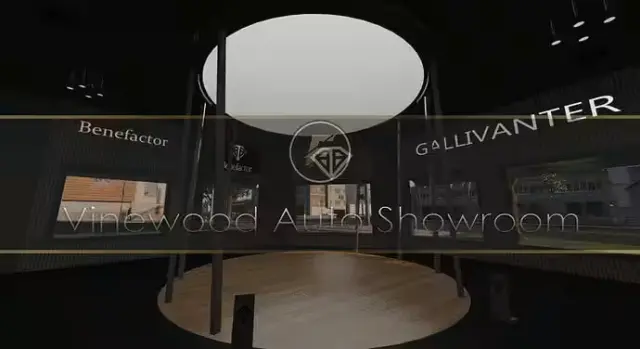
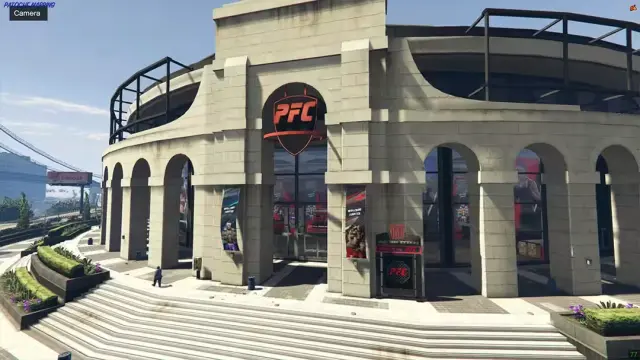
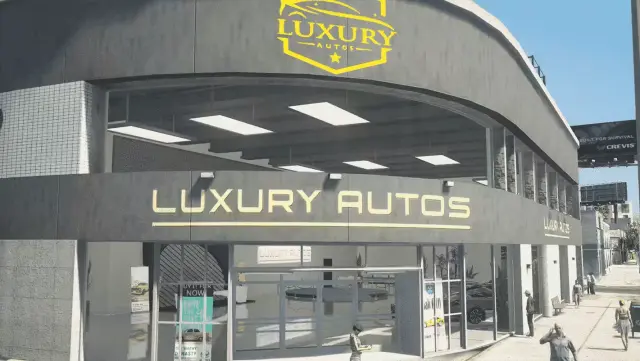
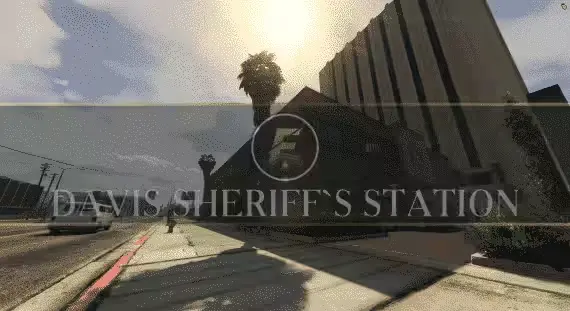
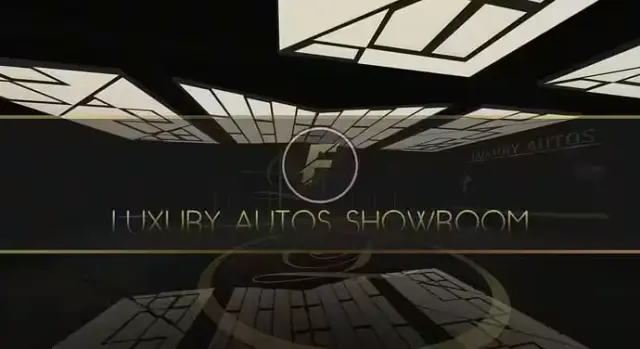
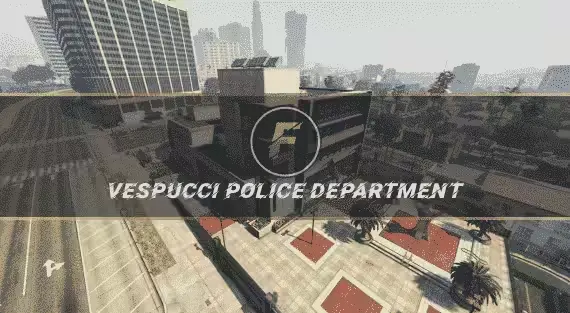
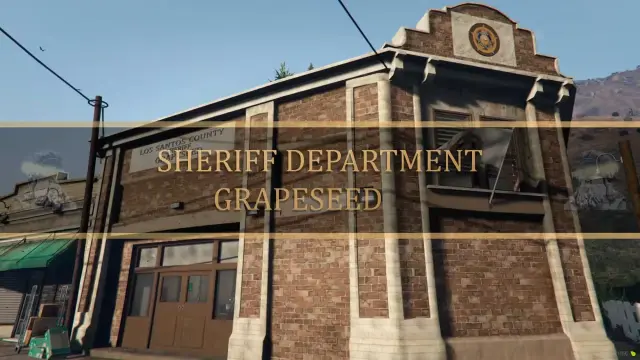
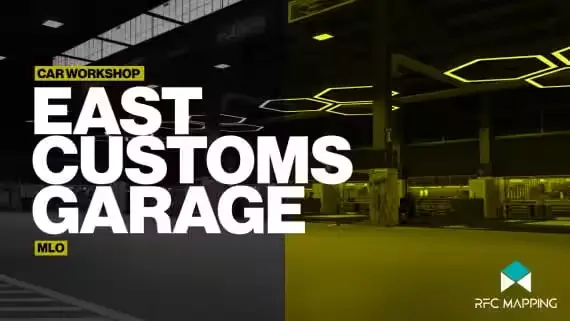
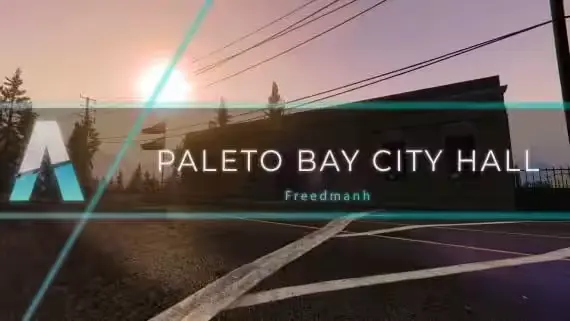
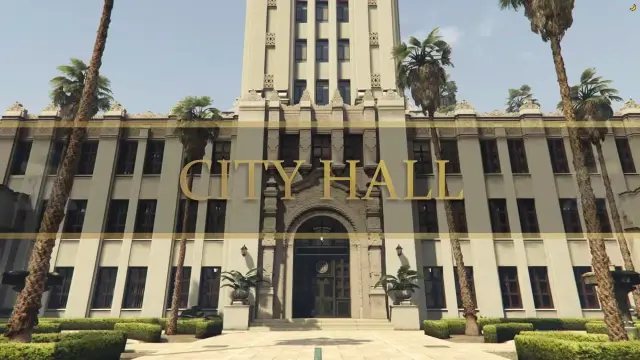
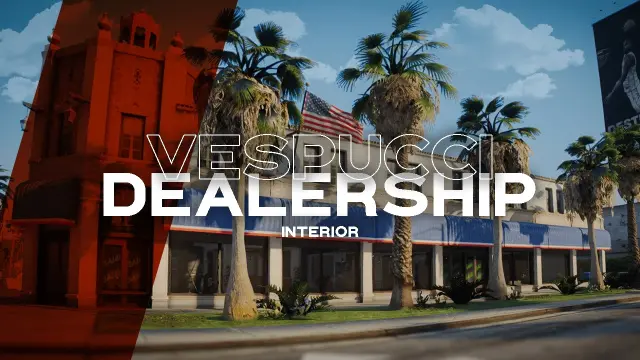
Law enforcement is the largest group. Sheriff stations at Davis, Sandy Shores and Grapeseed, a Vespucci police department and Rockford Hills PD, most of them with cells, evidence rooms, interrogation and a garage you can drive an arrest into. Civic and commercial buildings cover St. Fiacre Hospital, city halls at Rockford and Paleto Bay, and a run of dealerships and showrooms that are the most useful interiors here if your city has a vehicle economy. The criminal side has gang houses, ghetto cribs, a mafia mansion, a chop shop and a fight club. Food outlets, a customs garage and a set of working lift bridges at the port fill in the rest.
Some of these were built for RageMP and alt:V as well as FiveM, and the description says so where it applies. The Freedmanh collection is the deepest run of interiors here, from sheriff stations and city halls through to showrooms and houses. Breze covers the gang and family end of it. The full catalogue and the category index list everything else.
Free here means given away, not sampled. The free interiors include a double medical centre with a heliport, a city hall with a courtroom and council offices, an auto showroom with a garage and a manager's office, and a gang spot built into the garage of a house on the street. Nothing is locked. Nothing expires.
That makes them the cheapest way to find out what installing a map involves before you pay for one. Take one, put it on a test server, walk it and watch what your frame rate does when you turn a corner. If it goes badly you have lost an evening. The beginner's guide to installing FiveM resources is the long version, and the rest of the store's free work sits on the free shelf.
A police station with nothing running inside it is a nice place to stand. Nothing more. Interiors start earning their place when a system lives in them. The jobs shelf is the next stop: a police job to put duty points, an armoury and cells behind the station, a mechanic job for the customs garage, a dealership script for the showroom. Bundles pair the two where a creator has already done the matching. Ready-made servers exist for anyone who would rather start from a wired city than build one. Vehicles for the showroom floor are on the car packs shelf.
Watch the video. Then read the lines that matter: the size, the requirements and whether the map is unlocked. Unlocked matters less for a building than for code. It still decides whether you can open the files and move a door yourself. Escrow versus open source sets out what you are allowed to touch either way. The last thing to weigh is what happens when the mapper moves on, because a map authored against an old DLC will meet a game update eventually, and an interior nobody is maintaining is an interior you will one day be repairing yourself or pulling off your server. What lifetime updates really means and updating without breaking a live server are the honest version of that story. Vetting a resource before you install it is the checklist.
Yes. An MLO is a map resource and does not care which framework you run, which is why most listings here name none at all. Framework badges appear only where a script ships with the interior, such as a betting system or a synced bridge.
An MLO is a modelled interior with its own rooms, doors and collision. A YMAP is placement data that puts props, vegetation or barriers into the world at fixed coordinates. Both are map resources and install the same way, but only one of them gives your players somewhere to walk into.
It will if both claim the same building or the same coordinates. The resource that loads later in server.cfg takes precedence, and the symptoms are doubled walls, missing collision or doors into nothing. Install interiors one at a time so you always know which one caused it.
They are. Each one is a finished interior its creator chose to release rather than a trial, and it downloads the same way a paid order does. Read the requirements line anyway, since one of the free downloads is a script that expects another creator's map to be installed first.
That depends on the interior, and the better listings state it in megabytes. Players pull streamed assets before they spawn, so interiors add to first-join time rather than to server load. Watch that figure if your joins are already slow, and add maps in small batches so you can see the effect.



![[200] Tattoo Pack for FiveM Servers | Supports qb and esx](/uploads/card/06f66854fa846d1cd61f0a4c2fced4a7.webp)