Sale
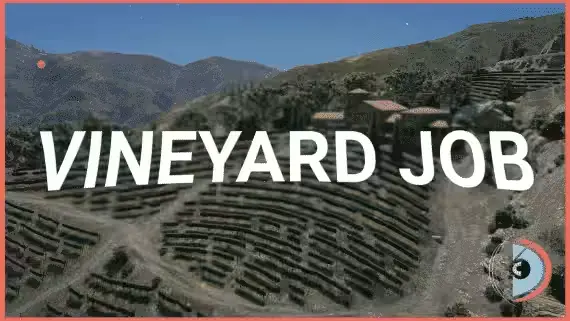
Full Vineyard Job Script
$30.00 $20.00
The FiveM collection
Buy one resource at a time, from single-purpose scripts through custom interiors and vehicle packs to complete framework builds. Download links go to the address you enter at checkout.
 In the spotlight
Worth a closer look
A selection of interiors, interface tools and gameplay resources. Preview each asset and check its framework compatibility before you buy.
Start with the right foundation
Building a new roleplay server or expanding an established city? Choose your framework first, then explore scripts that serve a specific purpose. Use the compatibility tags to make a shortlist and the individual listings to check the details of each resource.
Add a new job, business or everyday utility to your QBCore server. Start with the activity you want players to have, then compare the controls and configuration options. Check which inventory, targeting and notification resources the script expects before adding it to your existing setup.
Explore QBCore scriptsBrowse ESX resources for services, player interactions and the server economy. A framework label is the first check: the supported ESX version and any extra dependencies still matter. Look through the product description for installation steps and integrations you will need to configure.
Explore ESX scriptsUse the Qbox collection to narrow your search to listings tagged for your framework. Compare their documented requirements with the resources already on your server. Pay particular attention to inventory and job integrations when choosing an addition to an established Qbox build.
Explore Qbox scriptsGive your city something to do
Build the routines that keep a roleplay server moving: police duties, ambulance calls, workshop visits and player-run businesses. Choose a job script around the experience you want to offer, whether that is a focused public service or a business players can manage. Compare the available interactions, configuration options and required integrations before expanding the economy.
Make room for the next chapter
A new workshop or restaurant gives players a destination; a vehicle pack gives them more ways to get there. Browse interiors alongside vehicle collections when planning a new district or business. Read each listing for its location and included assets, and check for conflicts with maps you already use. Job logic and business systems may need to be purchased and configured separately.
Compare a more complete starting point
If you are starting a new community, compare a full framework package with building your own collection of individual scripts. Look at the included resource list, supported framework version and setup instructions. Check which systems you will still need to add and how much configuration your server concept requires. Choose a package for its contents and requirements, rather than its script count alone.
Make the next update manageable
Start with a small addition you can evaluate on a test server. Free utilities and interiors can help you try a new idea before expanding it. Read the installation notes and required resources even when the download itself has no cost.
 FREE MDT for Police
FREE
FREE MDT for Police
FREE
 FREE Business Cards Creator
FREE
FREE Business Cards Creator
FREE
 FREE Pillbox MLO & Central LS Medical MLO FiveM and GTA V
FREE
FREE Pillbox MLO & Central LS Medical MLO FiveM and GTA V
FREE
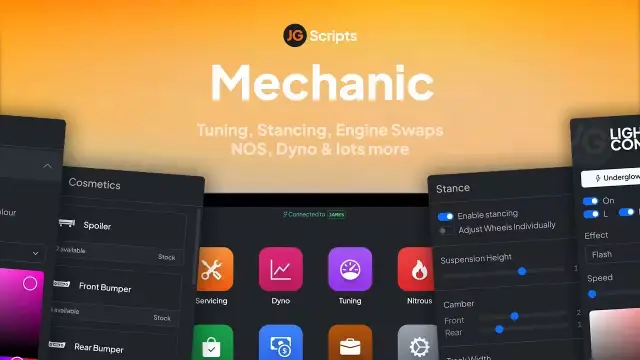
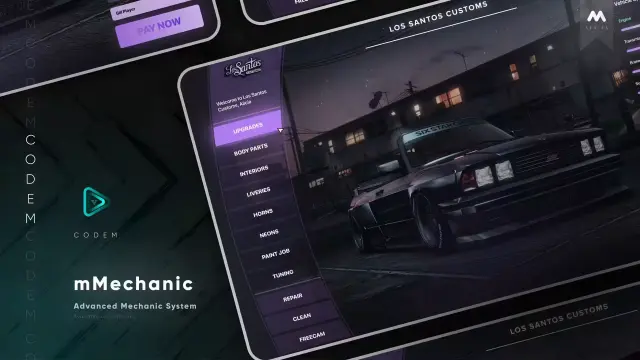
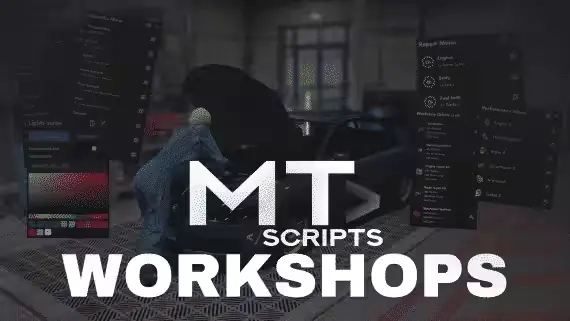
For a focused update, compare a mechanic job, a heist or a job creation tool. A smaller purchase can address one part of your server without replacing the whole framework. Review the included features and any extra resource costs when setting your budget.
Browse assets by priceConnect the experience
Plan around a player activity and explore the resources that could support it. These are suggestions to purchase individually, with their own compatibility requirements and installation steps.
Once you have a police job, consider the surrounding workflow: dispatch for calls, citations for traffic stops and an interior for the department. Compare the requirements of these separate resources with your existing job and records system before choosing the next addition.
Think about the business in three parts: a dealership system, a showroom and vehicles to stock. Review the features of the sales script, the location of the MLO and the contents of the vehicle pack. Plan for any configuration needed to connect the resources.
The people behind the resources
Browse a creator collection when you want to see more resources from the same developer. Compare their available scripts and look for the features your server needs. Each product listing has its own compatibility and setup details.
A little server-side reading
Read practical guides to FiveM development, configuration and resource selection. Use the articles to understand how your setup works and prepare for the next change, whether you are adjusting a script or adding a new system.
A FiveM catalogue is easy to browse and hard to buy from, because the decision in front of you is rarely which script looks best in its trailer. It is which shelf your server belongs on. So what follows is routing, not another grid. Each section names the shelf that answers one question, and the guide worth reading before you spend anything on it.
Almost every resource badged for QBCore carries a Qbox badge too. QBCore and Qbox share enough that creators ship a single download for both, so the QBCore and Qbox shelves end up looking nearly identical to each other. That is accurate rather than lazy. ESX is the one that goes its own way. A good share of listings name QBCore and never mention ESX at all, so if ESX is what you run, start on its own shelf instead of filtering a QBCore listing and hoping. Moving between the big frameworks is a project in itself. The ESX to QBCore migration guide covers what survives the trip.
An empty city gives players nothing to do. That is why job scripts are the largest group in this catalogue: police, ambulance, mechanic, delivery, mining, and the player-owned businesses that keep a district busy through a whole session. Close the obvious gaps from the free shelf first. A free HUD, a chat theme and a couple of jobs are enough to make a fresh build feel inhabited, long before there is any money coming in to spend on it. First install? Read the QBCore install guide, then the beginner's guide to installing scripts, in that order.
Once the systems work, what a server usually lacks is somewhere to use them. MLOs are the custom interiors that turn a locked door into a police station, a hospital or a working garage, and they care about stream limits rather than about your inventory. Car packs follow the same rule, with a much larger download attached. Add either kind one at a time. Watch what happens. A heavy interior and a heavy vehicle pack cost frames in a way a job script does not, and the notes on running several heavy resources at once explain what to measure.
If there is no server yet, assembling one resource at a time is the slow route. The ready-made framework servers here arrive as complete builds, with jobs, economy and interiors already wired together. That is a different decision from buying a single script, at a different price to match it. Bundles sit in between: a themed set of resources priced to be bought together, built around one job or one corner of a city. Settle the hardware first, though. The specs you rent set the ceiling on everything you install above them.
Resources from a single studio share a config layout, a notification style and usually a boss menu. A city assembled from a new creator every time asks your players to relearn the controls with each addition. Most studios selling here also publish free work, which turns the free release into a cheap audition. Open the config. See whether the code is laid out for somebody who is not the author, and expect the same habits in the paid resource. The collection index lists every studio on the store alongside the framework and type shelves.
A product name is written to be found. The framework badge on the card comes from the compatibility list its creator filled in, so believe the badge where the two disagree. The dependency line in the description matters just as much: a script built against one inventory fails on a server running another, and it fails looking like a broken resource rather than a mismatch. The vetting checklist is the long version. Escrow versus open source decides what you are allowed to edit afterwards, and it is the one part of the purchase you cannot revisit.
![QBCore Framework V5 [250+ Scripts]](/uploads/card/ae8d4ea80d1d0f961d16a30191a47f80.webp)