FiveM Civilian, Police and Criminal Job Scripts
Job scripts are what stop a server being an empty map with cars parked on it. This shelf runs from civilian loops a single player can grind alone, through the restaurants and workshops that need somebody standing behind a counter, to the criminal work that only means anything when there is a police force willing to turn up for it.
Which of those you need depends on how many people log in, not on the script. A mining round still pays overnight with nobody else online. A bar job pays nothing until a customer walks in and orders something, and no config setting fixes that.
A job is code rather than an asset, so everything here names a framework. Most carry QBCore, Qbox and ESX together. Free jobs sit on the same shelf as the paid ones, and paid work starts at $7.
Scripts in this category
122 products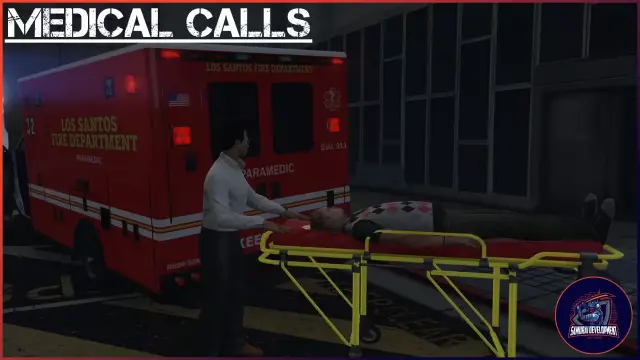


Sale
Jobs Creator: Tool for FiveM Server Admins
$25.00 $15.00
Mining Job V3
FREE

Pay And Spray
$9.00

Realistic Taxi Job
$11.00

Sale
Full Vineyard Job Script
$30.00 $20.00
Sale
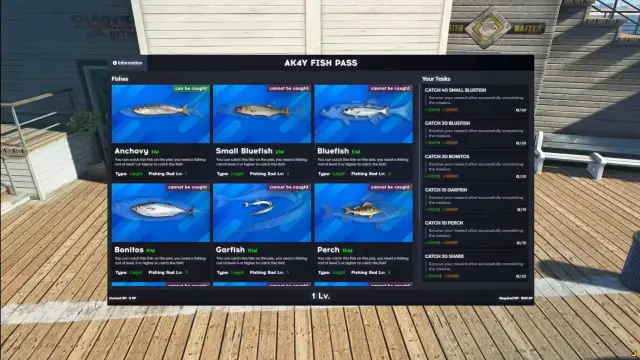
Advanced Fishing
$40.00 $20.00
FREE Chop Shop
FREE

FiveM Gold Panning Job
$10.00


DRC Tequi-La-La Job
$10.00

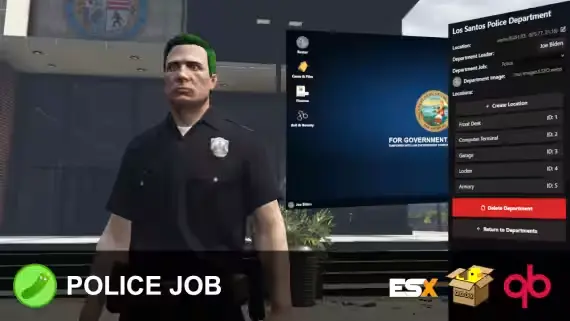


Advanced PostOP Job
$10.00
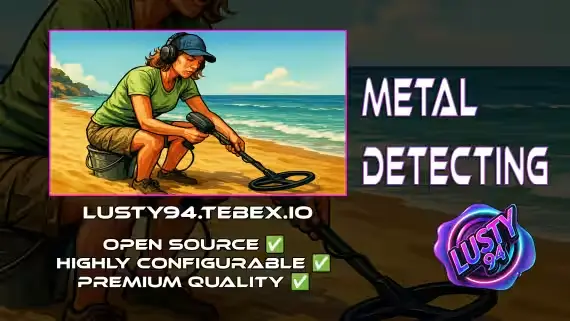
Metal Detecting
$9.00
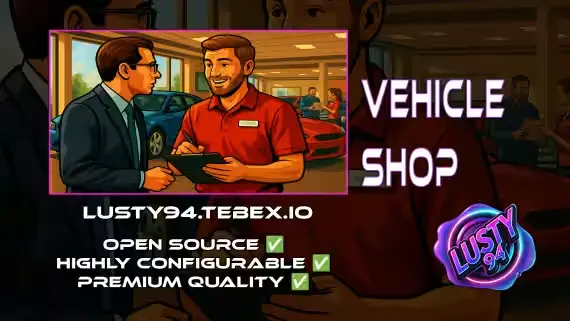
Vehicle Shops
$15.00

A job is only worth what your players do with it
Job scripts divide by what they need from the rest of your server. That division matters more than the feature list on the card. Civilian work comes first and most of it is solo: mining and gold panning, fishing, hunting, lumberjack rounds, scuba diving, metal detecting, farming, garbage rounds, courier runs, bus routes and taxi driving. A player can start one of those on a quiet server and finish it without speaking to anybody. That is exactly what a young city needs while it waits for a population.
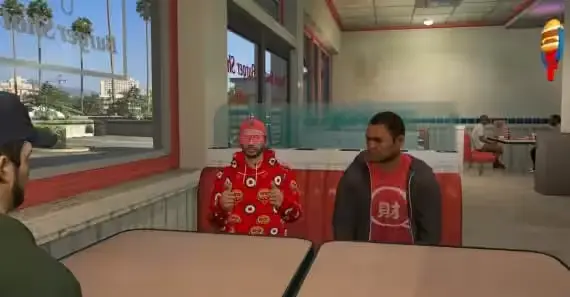
Then there is the work that needs a second person. Restaurants, bars, cafes and mechanic workshops only earn when somebody walks in and buys something. Excellent on a busy server. Dead weight on a slow one. Buy those in the order your player count justifies, not the order they look good in a trailer. Many of them also sit inside a specific building, and MLO interiors are a separate purchase. A hospitality job pointed at a door you do not own is a marker in a wall.
Criminal work is the third kind and the one servers get wrong most often. A city with only legal jobs is dull; a city with only criminal ones is a heist simulator. A chop shop, a drug chain or a moonshine still is a money faucet with a risk attached, and the risk is your police force. Without officers who actually respond, you have not added crime to your city. You have added a well animated cash machine. The notes on police roleplay people want to play are worth reading before you install the illegal half of an economy.
What a job does to your economy
Every job you add is a new place money enters the server. The payout in its config was balanced against the creator's economy, not yours. Compare a new job against what your existing ones pay per hour. Players will do that arithmetic within an evening whether or not you do.
Plenty of the jobs here gate earnings behind levels or experience, which changes the shape of the problem. The job pays badly on the first day and very well by the second week. The second week is what you have to balance for. Payout values, cooldowns and item sale prices all live in the config, so editing one without breaking the next update is worth reading first. For a grouped selection of gang, drug and robbery resources, review the Shadow Economy Store Selection. Check its included products and balance their payouts against your existing jobs.
What is on this shelf
Emergency services are the smallest group here. They are also the most load bearing. Police work runs from a full patrol job through citations, vehicle trunk loadouts, riot shields, ankle monitors, fingerprint scanning, jail and a bail and bounty system. The medical side has an ambulance job and a call generator, so EMS have something to do between shootings. Everything else on the shelf assumes those two exist.
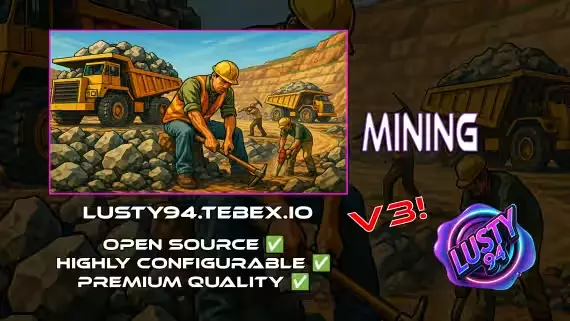
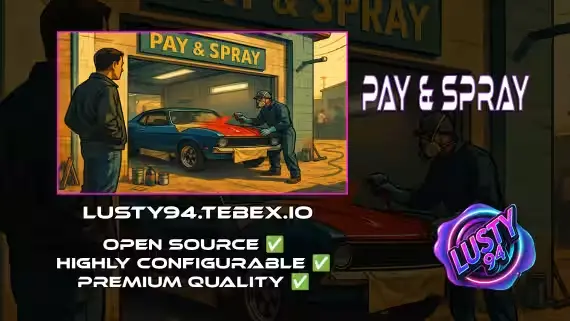
Trades and transport is where most servers actually spend, and it is the bulk of what people mean by civilian jobs. Mechanic workshops from JG Scripts and MT Scripts, pay and spray, wheel boots, tow truck contracts, bus routes, taxi work, mail and delivery runs, electricians, security details and animal control. Outdoor work covers mining and gold panning, fishing and treasure diving, hunting, chicken farms, vineyards, butchery, gardening and lumberjack rounds, and those are the loops that carry a server through the hours when it is half empty and nobody is standing behind a counter anywhere in the city.
Hospitality is a genre of its own. Jixel Patterns and DRC Scripts between them cover most of the interiors your players already know by name: burger joints, diners, bakeries, coffee shops, bars, clubs and cafes. Business ownership is the other large group, with player owned dealerships, shops, pawn shops, vending machines and vehicle auctions, most of them carrying a boss menu and a payroll. The criminal side runs chop shops, drug processing and street selling, moonshine, weapon manufacture and buried stashes.
Some of it costs nothing. Pickle Mods, GFX Development and RAINMAD all give jobs away here, and those appear on the free shelf as well as this one.
One creator or a shelf full of them
Buying a set of jobs from a single studio buys consistency you cannot see in a screenshot. One config format, one notification style, one target system, usually one boss menu across the lot. Buying job by job from whoever built the best version of each gets you a better city and a worse interface. Every creator brings their own menu and their own idea of what a duty toggle should look like. Neither answer is wrong. Decide which one your players will notice.
There is a third route people forget. Instead of buying a job at a time, a tool like the ESX job creator lets an admin define careers in game, which suits a server that keeps inventing new work. Where a studio sells a set meant to run together, the bundles cost less than buying the same list item by item. For the police-job side of a new department, review Pickle's Police Job and check its requirements against your framework. And if what you are missing is the whole roster rather than one job, a ready-made server arrives with a full set already balanced against each other.
What actually stops a job script working
Compatibility kills more installs than bad code does. On this shelf the usual culprit is targeting. More jobs here expect qb-target than anything else, with ox_target close behind. A job written for one does nothing at all on a server running the other. No error, no prompt, just an interaction point that is not there. Inventories split the same way between qb-inventory, ox_inventory and qs-inventory, and a job that hands out an item your inventory has never heard of fails at the exact moment a player finishes the work.
Trust the badge on the card over the product name. A title reading QB/ESX is how the creator wanted it found; the badge comes from the compatibility list they filled in. Qbox servers generally run QBCore resources unchanged, which is why the Qbox shelf and the QBCore shelf hold nearly the same jobs. The ESX shelf is shorter, and a handful of jobs name ESX on its own. If you are moving between the two big frameworks, the ESX to QBCore migration guide sets out what has to change.
ox_lib sits underneath a great many of these as a shared dependency, and a missing one shows up as a resource that refuses to start. When that happens, the dependency block and load order in fxmanifest.lua explain most of it, and QBCore troubleshooting covers the rest. Done before the purchase instead of after it, this is the checklist for vetting a script.
Before the job goes live
Set the whitelist first. Most job scripts do not gate themselves, so anybody who can reach the sign up point becomes a police officer or a surgeon unless you say otherwise. Then walk the loop yourself, all the way to the payout. A job that only pays on completion and cannot be completed is the bug your players report loudest.
Weight is the other thing. Jobs draw blips, markers and text prompts, and how those get drawn is the difference between a job that costs nothing and one that costs a frame whenever a player stands near it. A city running a full roster is running one of those loops per job. The notes on server FPS and several heavy scripts at once are worth a look before the roster gets long.
The dull part matters too. Read the licence. Some of these ship as open source and some are escrowed, which decides whether you adjust a job yourself or file a request and wait. Escrow against open source is the argument worth having before you buy the one your economy depends on. When an update does land, applying it without breaking a live server matters more for a job than for a HUD, because a job holds player data and a HUD does not.
Frequently asked questions
What counts as a civilian job in FiveM?
Anything a player can take without being whitelisted into an emergency service. Mining, fishing, trucking, taxi driving, courier runs, restaurant shifts and the player-owned businesses people run for themselves are all civilian work, and they are most of what is on this shelf. Civilian jobs are what give a city something to do between police calls, which is why a server that buys only police and EMS ends up quiet.
Do FiveM job scripts need an MLO?
Some do. A restaurant, a workshop or a police job written around a specific interior needs that interior installed, and the listing names which one. Others use locations that already exist in the base map and work the moment they start. Check before you buy, because an MLO is a separate purchase and no job script will build you the building.
Can I change what a job pays?
Almost always, in the config file. Do it before the job goes live rather than after players have banked a fortnight of it, because taking money back out of a server economy is much harder than putting it in. Look at cooldowns and item sale prices in the same file while you are there. A payout figure on its own rarely tells you what a job actually earns per hour.
Will jobs from different creators share one boss menu?
Usually not. Jobs from a single studio normally share a boss menu and a duty system, while jobs from several studios each tend to bring their own, so your business owners end up with a different interface per job. The listing says which system a job hooks into. If a consistent interface matters more to you than owning the best version of every job, buy from fewer creators.
Do QBCore job scripts work on Qbox?
In most cases, yes. Qbox is a fork of QBCore and runs QBCore resources with little or no change, which is why nearly every job badged for one is badged for the other here. ESX is the genuinely different one. A job that names ESX alone expects es_extended, and a job that names QBCore alone will need converting before it runs on an ESX server.