Sale
RealLife Debadged Vehicle Car Pack [84 Cars]
$150.00 $70.00
Vehicle packs rather than one-off cars: lore friendly fleets wearing in-universe manufacturers, debadged sets with the real world logos stripped off, marked police units with liveries and callsigns, and themed builds covering towing, donk, drag and drift. A standalone rim pack sits alongside them for servers that would rather change every wheel than add another car.
Buying a pack instead of assembling a garage one model at a time is a quality decision before it is a price one. Cars from one builder share a polygon budget, a texture standard and a handling philosophy, so a dealership list reads as curated rather than scraped together. Consistency is the whole point.
None of it needs a framework. Vehicles are streamed assets, and the QBCore, Qbox and ESX badges you see here belong to the dealership and garage scripts that sell them.
Lore friendly means the car wears an in-universe manufacturer: Albany, Annis, Bravado, Benefactor, Vapid, BF. Proportions and naming fit Los Santos, so a lore friendly fleet parked outside a showroom looks like it grew there instead of being imported, which is the whole reason a server that cares how it looks buys by the pack rather than one model at a time. Debadged answers a different problem. It takes a real world shape and removes the manufacturer marks. The more careful packs rework a stated share of the bodywork on top. The silhouette stays recognisable; the trademark never appears on your server. Real brand packs do none of that.
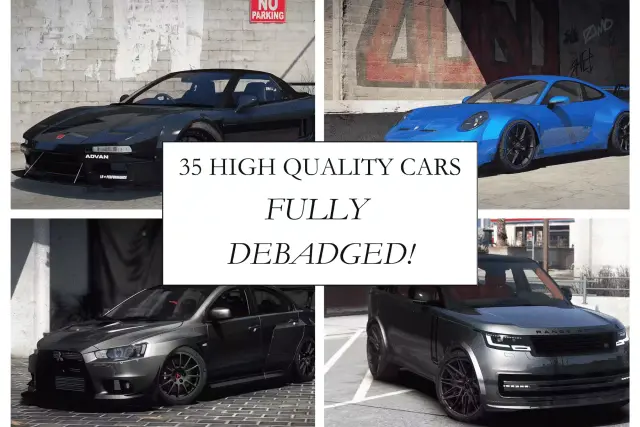
That last category is the one to think about before you buy. Rockstar's position on real world marks in FiveM has tightened, and packs sold today advertise compliance because server owners learned to ask. Both debadged sets state it in the listing. The themed pack warns that its photographs were taken before the debadging pass. The larger real world set puts a figure on how much of each body was reworked. If your city is public and has any profile at all, lore friendly is the safe first preference and debadged is the safe second.
Mixing the labels in one garage looks wrong as well, which is the aesthetic argument rather than the legal one. A hand modelled Annis parked next to a photoscanned supercar reads as two different games.
An add-on vehicle arrives with its own spawn name and sits beside the vanilla fleet. A replace overwrites a vanilla model, so every dealership entry and every script that already spawns that car silently starts producing the new one. Add-on is almost always what you want. Ask any pack the question before you buy. A replace pack installed by somebody who expected an add-on will quietly rewrite half a server's vehicle economy before anybody notices.
The failure mode is a spawn name collision. Two packs that both ship a car under the same spawn name will happily load. The one later in your resource order wins. The vehicle that vanished looks like a bad download rather than a naming clash. Read the spawn code list first. Check it against what you already run before you add a second pack from a different builder. The better listings publish theirs, which is not universal and is worth insisting on.
A vehicle is a model file plus a texture dictionary, and the packs that take this seriously quote both sizes per car along with a triangle count, which is the only way to work out what a whole fleet will cost your players before you have bought any of it. A single marked police unit, once you add its liveries and tuning parts, outweighs most scripts you will ever install. Almost nobody checks. Multiply that by a fleet and vehicles become the largest thing anybody downloads on their way into your city.
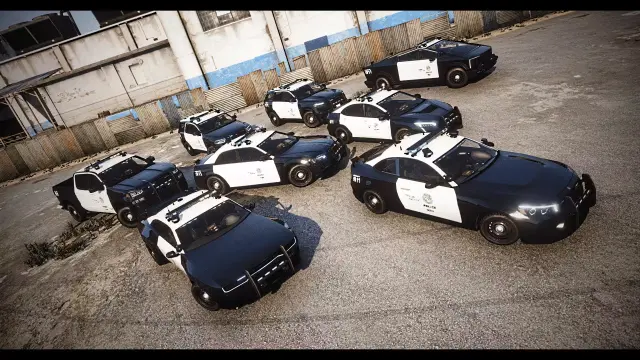
That is why a lowpoly police pack exists at all and why the careful listings publish polygon counts. Frames cost as much as bandwidth. A car modelled for renders rather than for a busy block drops the frame rate of everyone in sight of it, not only the person driving. If joins are already slow, a large pack makes it worse and players will report it as connection failed rather than as anything to do with cars. Server FPS tricks and running several heavy resources at once cover what to measure, and hosting specs covers the box.
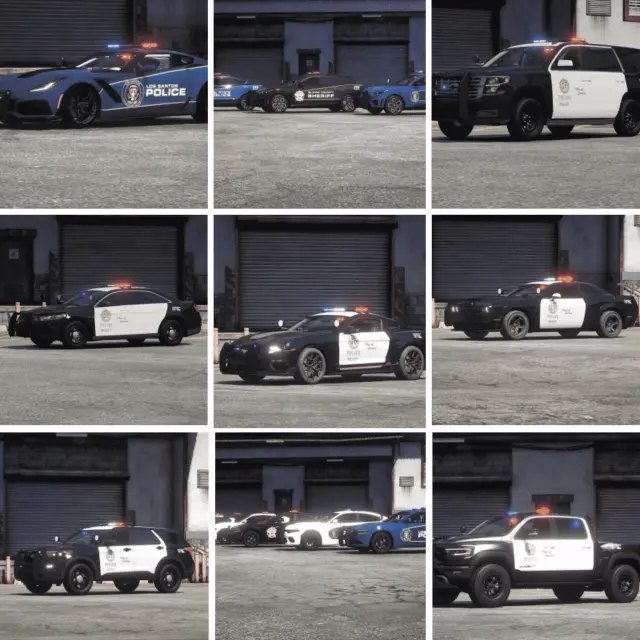
A marked unit is a different purchase. Do the lights work, and are they extras your officers can toggle per vehicle rather than paint baked into the model? Are there liveries for the departments you actually run, LSPD, BCSO, SAHP and unmarked? Does a template ship with the pack so your own designer can add yours? Do the dials read? Is there a callsign system, or will somebody be hand editing carcols and carvariations for a week to get one light bar behaving?
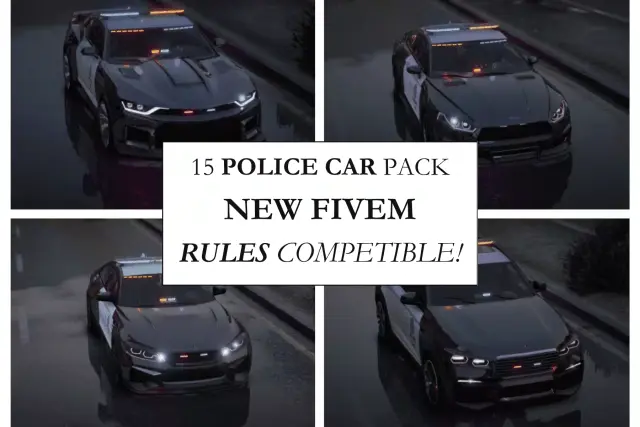
The lore friendly police pack publishes its spawn codes, its unit liveries and its file sizes per vehicle, which is the level of detail to hold every police pack to, because the packs that will not publish it are usually the ones you end up re-texturing a fortnight later. Vehicles alone do not make a department. The police RP starter bundle pairs them with the scripts that put officers on patrol, and building realistic police roleplay covers the rest of it.
Custom handling is what makes one pack feel different from another, and it is also the part most likely to fight the rest of your server, because handling data ships inside the pack and gets declared in the manifest, which fxmanifest.lua explained covers in full. Any script that rewrites handling at runtime competes for the same values. A tuning system will. So will a performance upgrade shop. Test a new pack on a staging server with your tuning script already running rather than on an empty one. Otherwise the drift and tow builds you paid for handle like stock and nobody can tell you why.
Engine sounds are the other half of the feel and the other half of the trouble, and they ship separately from the model, which is why a pack that sounds vanilla after install has almost always had its audio folder skipped rather than being genuinely broken. The fix takes a minute.
Wheels are the upgrade nobody budgets for. The standalone rim pack drops in without setup. It works on vanilla and modded cars through qb-customs or any ESX mechanic script, so one purchase changes every car in the city rather than adding a handful.
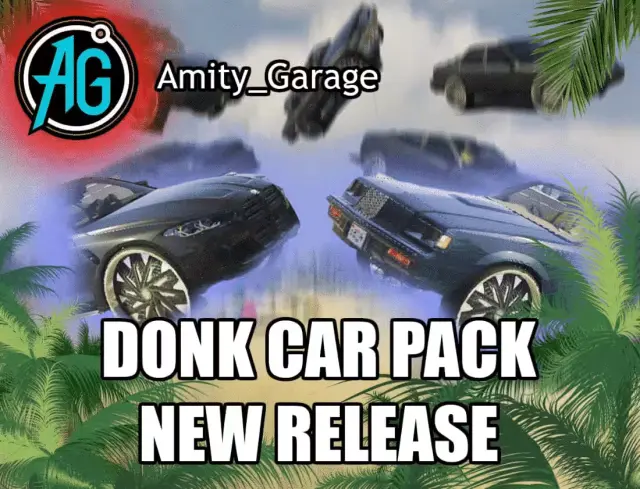
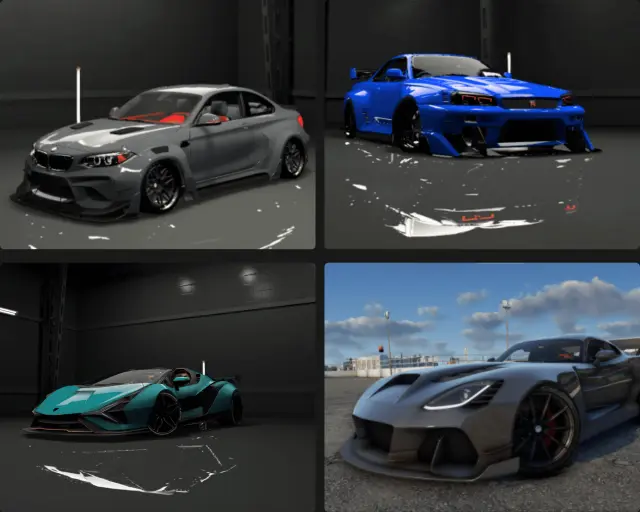
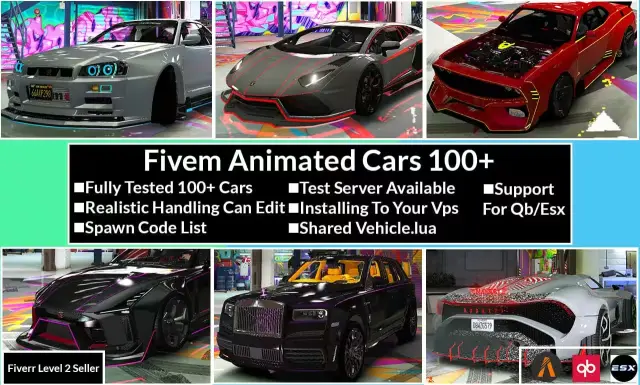
Nothing here is a single car. Lore friendly runs from a compact police fleet up to a set large enough to restock a whole city with in-universe cars, while debadged comes as a small themed pack and as a big real world one with addon sounds running down most of the list. Marked police units come lowpoly for servers that need frames and NoPixel styled for servers that need looks. The themed builds bring towing, donk, drag and drift together, with reworked handling, wider steering angles on the drift cars and extras like GoPros and parachutes. An animated pack and a small premium set fill the middle.
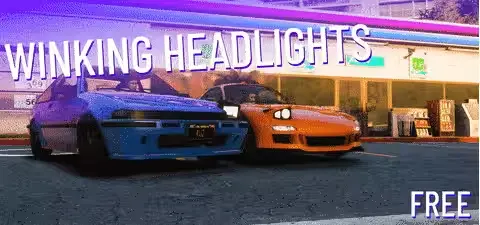
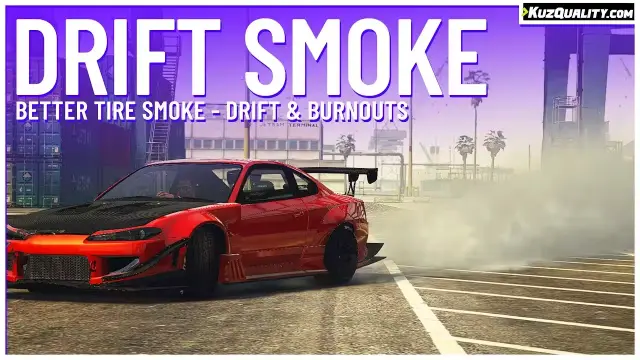
The free part of this shelf is vehicle adjacent rather than vehicles. Tyre smoke that syncs between every client. A headlight winking script for JDM builds. Both standalone, both framework agnostic. The rest of the store's free work is on the free shelf; the full catalogue and category index hold the rest.
Watch the preview where there is one. Then read the spawn codes, the sizes per car and whether liveries and templates are included, and check what your vehicle shop script does with new models before the pack is already paid for and sitting in your resources folder. Some vehicle shops read the game files and pick them up on their own. Others want every model added to a config by hand. That turns a large pack into an afternoon. The jobs shelf has the dealership and garage scripts that do the selling. Those do care which framework you run. The QBCore, ESX and Qbox shelves are where to start if you are matching one. If you need somewhere to sell the cars from, the showrooms and dealership interiors are on the MLO shelf.
Bundles pair vehicles with the systems built around them; ready-made servers arrive with both wired. Vetting a resource before you install it applies to models as much as to code. If this is your first install of anything at all, the beginner's guide comes first.
No. Vehicles are streamed assets and work on any server, including one running no framework at all. The framework badges you see belong to the dealership, garage and mechanic scripts that sell and store the cars, not to the models themselves.
Debadged means the manufacturer badges and logos have been removed from the model, and the more careful packs rework part of the bodywork as well. The shape stays recognisable while the trademark does not appear on your server. It is the safer of the two, and lore friendly cars wearing in-universe manufacturers are safer still.
That depends on the script. Some dealership systems read the vehicle list from the game files and pick up new models on their own, while others need each spawn name added to a config by hand. Check yours before buying a large pack, because the second kind turns a big fleet into a long evening.
The free downloads on this shelf are vehicle scripts rather than vehicle models: synced tyre smoke for drifting and a headlight winking script. Both are standalone and both work alongside any pack you buy. Everything else the store gives away is on the free shelf.
Because they use the same spawn name. Both resources load, the later one in your resource order wins, and the model from the other pack is simply never used. Compare spawn codes across packs before installing, and rename or drop the duplicate rather than reordering your config and hoping.
![[200] Tattoo Pack for FiveM Servers | Supports qb and esx](/uploads/card/06f66854fa846d1cd61f0a4c2fced4a7.webp)
![QBCore Framework V7 [NoPixel 4.0] - Tebex](/uploads/card/3a247ba6b5b365465acac4d01e241687.webp)